
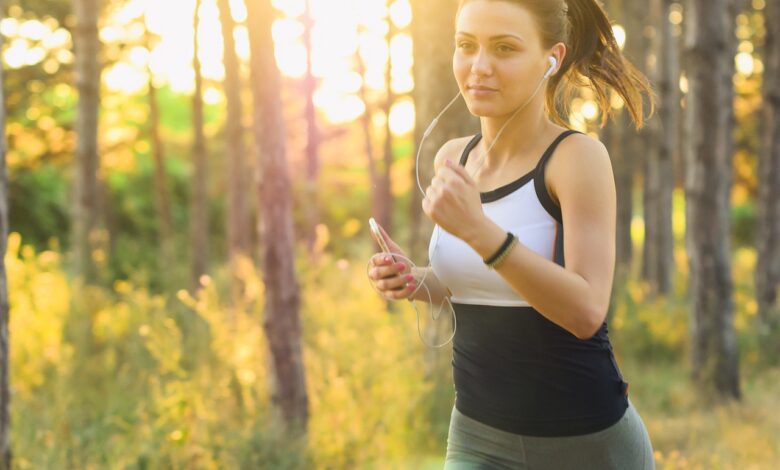
For otherwise healthy adult athletes, the health effects of air pollution exposure range from the immediate — shortness of breath, coughing, dizziness or fatigue — to the cumulative.
Repeated high-exertion exposure to fine particulate matter has been linked in public health research to inflammation, reduced lung function over time and aggravation of underlying heart and lung conditions, which is why officials in hard-hit cities urge residents to reduce or eliminate outdoor activity, wear an N95 mask if they must be outside, and run an air purifier or air conditioner indoors.
- Check before you head out — every time. Conditions can shift from “Good” to “Unhealthy” within hours during a smoke event; check a real-time monitor (such as Indiana Department of Environmental Management’s SmogWatch or AirNow) immediately before exercising, not the night before.
- Shift intensity and timing. On Moderate or Unhealthy-for-Sensitive-Groups days, favor a walk over a tempo run, and aim for early morning, when particulate levels and heat are typically lower.
- Move it indoors when the index climbs. On days rated Unhealthy or worse, treadmills, indoor tracks and gyms are safer options than an outdoor route, especially for anyone with asthma, COPD or heart disease.
- Don’t rely on your eyes or nose alone. Smoke can be present at unhealthy levels before it’s visibly hazy, and clean-looking skies don’t guarantee clean air, particularly with ozone pollution, which isn’t always visible.
- Mask up if you must train outside. A well-fitted N95 offers meaningfully better protection against fine particulate matter than a cloth or surgical mask during smoke events.
- Protect your indoor air, too. Keep windows and doors closed, run air conditioning on recirculate, and use a HEPA air purifier if you have one — especially in the hours after a run, when your airways are more sensitized.
- Watch for symptoms, not just numbers. Coughing, chest tightness, unusual fatigue or dizziness during or after exercise are signs to stop and move indoors, regardless of what the AQI reading says.
- Know your risk group. Children, older adults, pregnant people, and those with asthma, COPD or cardiovascular disease should apply extra caution at lower AQI thresholds than healthy adults.
- Hydrate and rest. Water helps keep airways moist, and giving your lungs a rest day after a high-pollution outdoor effort is a reasonable trade-off, not a sign of weakness.