
Fall Back into Fitness: The Wild Truth About Daylight Saving Time and Your Running
How that extra hour of sleep might be your couch's sneakiest weapon against your workout routine
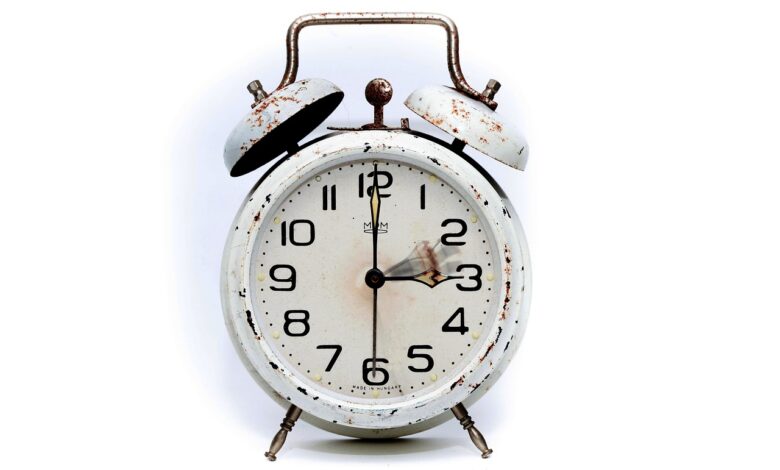
This Sunday at 2 a.m., Americans will collectively experience what sleep scientists call “the one good time change” as clocks fall back for the end of Daylight Saving Time. You’ll gain a precious hour of sleep, the sun will rise a little earlier, and somewhere, a rooster will crow thinking it’s absolutely crushed its morning shift an hour ahead of schedule.
But before you start planning your victory lap around that extra 60 minutes, fitness experts and sleep researchers are here with a plot twist: that bonus hour might not be the fitness win you’re expecting. In fact, switching away from DST in the fall comes with its own peculiar bag of health implications that could affect everything from your morning jog to your evening power walk.
The Good News: Your Body Actually Likes This
Let’s start with the silver lining, because honestly, we could all use one when it comes to DST.
According to Dr. M. Adeel Rishi, chair of the American Academy of Sleep Medicine’s Public Safety Committee and a pulmonary, sleep medicine, and critical care specialist at Indiana University Health in Indianapolis, “Permanent standard time helps synchronize the body clock with the rising and setting of the sun. This natural synchrony is optimal for healthy sleep, and sleep is essential for health, mood, performance, and safety.”
Translation? Your body has been waiting since March for this moment. Dr. Muhammad A. Rishi, an associate professor of medicine at the Indiana University School of Medicine in Indianapolis and vice chair of the American Academy of Sleep Medicine’s Public Safety Committee, notes that while “the transition to daylight saving time, especially the spring switch in March, can have a negative impact on sleep duration and quality,” the fall transition is considerably gentler on our systems.
The science backs this up. Research examining marathon performance found that while spring DST transitions resulted in runners finishing 12.3 minutes slower (a 4.1% performance decline), autumn DST transitions showed only a trivial 1.4-minute difference. That’s right — your fall race times are safe. Your spring PRs? Not so much.
The Plot Twist: Darkness Is Still Coming for Your Gains
Here’s where things get interesting, and by interesting, we mean potentially problematic for anyone who’s ever uttered the phrase “I’ll exercise after work.”
Michele Smallidge, lecturer and director of the exercise science program at University of New Haven, warns that “the day getting darker earlier can disrupt those fitness buffs that use outdoors as their environment to exercise. Individuals that had set an after-work outdoor cardiovascular training plan such as walk, run, bike ride or row, throughout spring and summer, may now have to find an alternative plan or modify the way they get it done.”
In other words, that 6 p.m. neighborhood walk you’ve been nailing all summer? Say hello to reflective gear and existential questions about whether you really need to see where you’re going.
Studies show the impact is real: research from Australia found that one in four people switched from morning to evening exercise sessions after the time change, but more concerningly, 8% stopped exercising altogether. That’s not a typo — nearly one in twelve people just threw in the towel (presumably to use it for more sleep).
Your Brain on Standard Time: It’s Complicated
While the fall time change is generally less harmful than its spring counterpart, your gray matter still has opinions about the whole affair.
Research indicates that the biological clock is momentarily impacted when clock time changes, potentially interfering with sleeping patterns and causing tiredness and mental stress. Studies show DST transitions lead to decreases in the quality and quantity of sleep with daytime side effects like reduced cognition.
Even the fall transition can trigger mood issues, with a Danish study of 185,419 hospital visits finding that depression diagnoses rose by 11% in the month following the daylight saving change.
But here’s the kicker for fitness enthusiasts: experts caution that coordination and concentration aren’t as sharp in the days following DST changes, and people are likely to be more irritable and forgetful. So if you find yourself forgetting whether you’re on rep three or thirteen, you can blame Benjamin Franklin (who didn’t actually invent DST, but it’s fun to blame historical figures).
The Runner’s Survival Guide to Fall Back
So what’s a fitness-minded Hoosier to do? Experts suggest treating the time change like an opportunity rather than an obstacle.
Embrace the Morning Light: With more daylight in the morning hours, this becomes the perfect time to attempt that morning workout routine you’ve been putting off. Your body will actually thank you, since exercise and sleep have a symbiotic relationship — better workouts lead to better sleep, which leads to better workouts. It’s the circle of life, gym edition.
Get Strategic with Sunlight: Dr. Richard Isaacson, Director of the Alzheimer’s Prevention Clinic at FAU Medicine, recommends maintaining adequate sun exposure for even 10–15 minutes each day during the ‘fall back’ time, noting that going for a brisk walk during lunch hour can boost vitamin D, metabolism, and blood sugar control.
Don’t Abandon Ship: If you’re feeling groggy, reduce your running time but still try to get outside and keep a regular schedule. Consistency matters more than intensity during the adjustment period.
Consider This Your Deload Week: Performance might dip slightly, so maybe don’t schedule your heaviest lifting session for the Monday after the time change. Your future self (and your lower back) will appreciate the wisdom.
The Bottom Line
The fall transition away from Daylight Saving Time is essentially the “good cop” of time changes — it’s easier on your body, aligns better with your natural rhythms, and gives you that sweet, sweet extra hour of sleep. But it’s not without its challenges, particularly the crushing realization that 5 p.m. now looks like midnight and your motivation to exercise has apparently moved to a different time zone.
The key is adapting your routine rather than abandoning it. Whether that means becoming a morning person (brave), investing in reflective gear (practical), or accepting that you’ll be doing more treadmill time for the next few months (realistic), the choice is yours.
As Dr. Rishi emphasizes, “By causing the human body clock to be misaligned with the natural environment, daylight saving time increases risks to our physical health, mental well-being, and public safety. Permanent standard time is the optimal choice for health and safety.”
In the meantime, enjoy that extra hour of sleep on Sunday. Your running shoes will be waiting for you whenever you’re ready to lace them up — preferably before the sun sets at what feels like 3 p.m.
Just remember: whether you’re a morning lark or a night owl, the only truly wrong time to exercise is the time you keep putting off. Unless it’s 2 a.m. on Sunday. Then definitely just sleep.